Lacawac Hiking Trails
  • Home
  • About
    • Sources
    • Contact Us
  • Maurice Broun Trail
    • Fields & Meadows
    • Stone Walls
    • Gypsy Moth Caterpillars
    • Oak Trees >
      • White Oak
      • Red Oak
      • Black Oak
    • Raccoons
    • Owls
    • Snakes >
      • Snake ID
    • Bats >
      • Bat Houses
  • Lake Lacawac Trail
    • White Pine
    • Eastern Hemlock
    • Bog Plants >
      • Sphagnum Moss
      • Blueberry Bushes
      • Pickerelweed
    • Lake Lacawac
    • Glacial Bog
    • Diversity of Birds
    • Glacial Erratic Rock
    • American Black Bear >
      • Diet
      • Population
      • Reproduction
  • Big Lake Trail
    • Food Web
    • North American Beaver
    • Osprey
    • Watershed
    • Japanese Barberry >
      • Characteristics
      • Threat to Forest
      • Control Methods
    • Minerals & Rocks >
      • Minerals
      • Igneous Rocks
      • Sedimentary Rocks
      • Metamorphic Rocks
      • Identification
    • Sugar Maple
    • Streams
    • Hydroelectric Dam
    • Lake Wallenpaupack >
      • Electricity Generation
      • Recreation
      • Watershed Management
    • Wild Grapevines
    • Hayscented Fern
  • Carriage-Lakefront Trails
    • Phytoplankton
    • Harmful Algal Blooms
    • Riparian Zones
    • Bioindicators
    • Lake Macroinvertebrates
    • Lake Succession >
      • Oligotrophic Lake
      • Mesotrophic Lake
      • Eutrophic Lake
    • Lake Formation
    • Amphibians
    • Native Fish
    • Lake Research
    • Aquatic Plants
    • Zooplankton
    • Stratification
    • Lake Hydrology
    • Lake Chemistry
    • Monitoring for Preservation
    • Local Research with Global Implications
  • Historic Great Camp Trail
    • Connell Park
    • Sustainable Forestry
    • Hemlock Woolly Adelgid
    • Early Years
    • Field Station
  • Ledges Trail
    • Deer Exclosures
    • Geological Faults >
      • Normal Fault
      • Reverse Fault
      • Strike-slip Fault
    • Wild Orchids
    • Ledges
    • Ferns
    • Mosses & Lichen
    • Vernal Pools
    • Mushrooms
  • Watres Trail
    • Edge Effect
    • Hummocks and Hollows
  • Visitors Center
    • Native Plant Garden >
      • Golden Alexander
      • Black-Eyed Susan
      • Striped Cream Violet
      • Scarlet Beebalm
      • Blazing Star
      • Blue Moon
      • Blue Flag Iris
      • Tickseed
      • Coneflower
      • Butterfly Weed
      • Jerusalem Artichoke
      • Monkshood
      • Joe-Pye Weed
      • Mayapple
      • Blue Wood Sedge
      • Little Blue Stem
    • Bees
    • Weather Station
  • Partner Ridge Trail
  • Warbler Trail

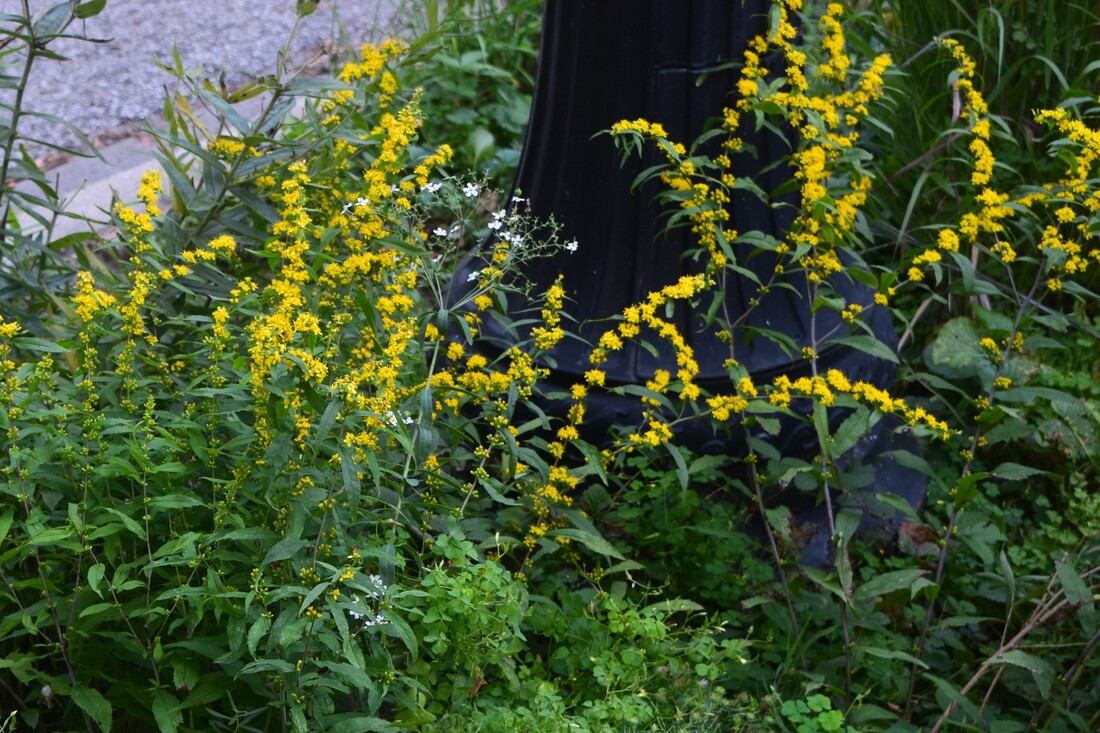
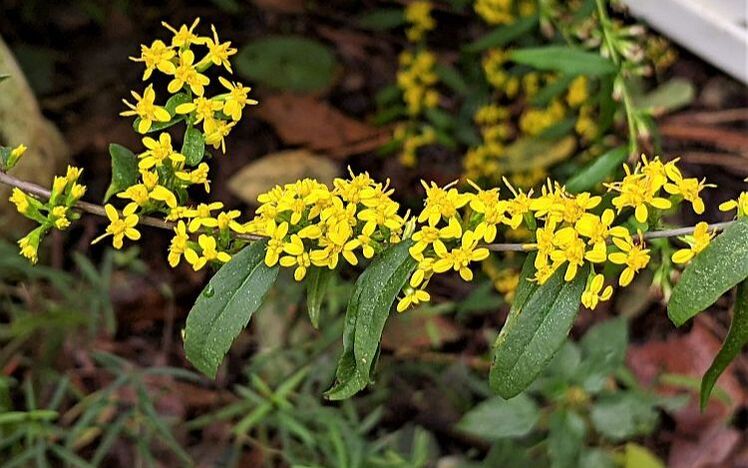
Bluestem Goldenrod
Solidago caesia
Picture
Picture

​Blue Stemmed Goldenrod does not spread as aggressively as some goldenrods. This Wisconsin endangered plant features graceful arching stems covered with hundreds of small yellow flowers. The distinct stems are purplish in color. Native to rich woodlands in the Eastern half of the U.S. it prefers light shade, but will tolerate full sun. A mature clump has great presence and texture – brightening any semi-shade garden late in the season. 

Solidago caesia is an interesting goldenrod for a variety of garden styles: open woodland garden, border, cottage or butterfly garden. As with all goldenrods, it is a desirable source of late-season pollen. Other common names include Wreath Goldenrod.

Planting and Cultivation Notes
Goldenrods are often mistakenly blamed as the cause of hay fever - an allergic reaction to wind-borne pollen. But they, and most native wildflowers, do not have wind-borne pollen. Instead, the pollen is moved from bloom to bloom by bees, butterflies and other pollinators.

Location

About lacawac sanctuary

Lacawac Sanctuary Field Station and Environmental Education Center is an independent, non-profit, environmental education organization located on the shore of Lake Wallenp​aupack in the Northern Poconos.  We operate solely on program fees, memberships, sponsorships, grants and private donations from people like you

Contact Us

    Subscribe Today!

Submit
  • Home
  • About
    • Sources
    • Contact Us
  • Maurice Broun Trail
    • Fields & Meadows
    • Stone Walls
    • Gypsy Moth Caterpillars
    • Oak Trees >
      • White Oak
      • Red Oak
      • Black Oak
    • Raccoons
    • Owls
    • Snakes >
      • Snake ID
    • Bats >
      • Bat Houses
  • Lake Lacawac Trail
    • White Pine
    • Eastern Hemlock
    • Bog Plants >
      • Sphagnum Moss
      • Blueberry Bushes
      • Pickerelweed
    • Lake Lacawac
    • Glacial Bog
    • Diversity of Birds
    • Glacial Erratic Rock
    • American Black Bear >
      • Diet
      • Population
      • Reproduction
  • Big Lake Trail
    • Food Web
    • North American Beaver
    • Osprey
    • Watershed
    • Japanese Barberry >
      • Characteristics
      • Threat to Forest
      • Control Methods
    • Minerals & Rocks >
      • Minerals
      • Igneous Rocks
      • Sedimentary Rocks
      • Metamorphic Rocks
      • Identification
    • Sugar Maple
    • Streams
    • Hydroelectric Dam
    • Lake Wallenpaupack >
      • Electricity Generation
      • Recreation
      • Watershed Management
    • Wild Grapevines
    • Hayscented Fern
  • Carriage-Lakefront Trails
    • Phytoplankton
    • Harmful Algal Blooms
    • Riparian Zones
    • Bioindicators
    • Lake Macroinvertebrates
    • Lake Succession >
      • Oligotrophic Lake
      • Mesotrophic Lake
      • Eutrophic Lake
    • Lake Formation
    • Amphibians
    • Native Fish
    • Lake Research
    • Aquatic Plants
    • Zooplankton
    • Stratification
    • Lake Hydrology
    • Lake Chemistry
    • Monitoring for Preservation
    • Local Research with Global Implications
  • Historic Great Camp Trail
    • Connell Park
    • Sustainable Forestry
    • Hemlock Woolly Adelgid
    • Early Years
    • Field Station
  • Ledges Trail
    • Deer Exclosures
    • Geological Faults >
      • Normal Fault
      • Reverse Fault
      • Strike-slip Fault
    • Wild Orchids
    • Ledges
    • Ferns
    • Mosses & Lichen
    • Vernal Pools
    • Mushrooms
  • Watres Trail
    • Edge Effect
    • Hummocks and Hollows
  • Visitors Center
    • Native Plant Garden >
      • Golden Alexander
      • Black-Eyed Susan
      • Striped Cream Violet
      • Scarlet Beebalm
      • Blazing Star
      • Blue Moon
      • Blue Flag Iris
      • Tickseed
      • Coneflower
      • Butterfly Weed
      • Jerusalem Artichoke
      • Monkshood
      • Joe-Pye Weed
      • Mayapple
      • Blue Wood Sedge
      • Little Blue Stem
    • Bees
    • Weather Station
  • Partner Ridge Trail
  • Warbler Trail