Lacawac Hiking Trails
  • Home
  • About
    • Sources
    • Contact Us
  • Maurice Broun Trail
    • Fields & Meadows
    • Stone Walls
    • Gypsy Moth Caterpillars
    • Oak Trees >
      • White Oak
      • Red Oak
      • Black Oak
    • Raccoons
    • Owls
    • Snakes >
      • Snake ID
    • Bats >
      • Bat Houses
  • Lake Lacawac Trail
    • White Pine
    • Eastern Hemlock
    • Bog Plants >
      • Sphagnum Moss
      • Blueberry Bushes
      • Pickerelweed
    • Lake Lacawac
    • Glacial Bog
    • Diversity of Birds
    • Glacial Erratic Rock
    • American Black Bear >
      • Diet
      • Population
      • Reproduction
  • Big Lake Trail
    • Food Web
    • North American Beaver
    • Osprey
    • Watershed
    • Japanese Barberry >
      • Characteristics
      • Threat to Forest
      • Control Methods
    • Minerals & Rocks >
      • Minerals
      • Igneous Rocks
      • Sedimentary Rocks
      • Metamorphic Rocks
      • Identification
    • Sugar Maple
    • Streams
    • Hydroelectric Dam
    • Lake Wallenpaupack >
      • Electricity Generation
      • Recreation
      • Watershed Management
    • Wild Grapevines
    • Hayscented Fern
  • Carriage-Lakefront Trails
    • Phytoplankton
    • Harmful Algal Blooms
    • Riparian Zones
    • Bioindicators
    • Lake Macroinvertebrates
    • Lake Succession >
      • Oligotrophic Lake
      • Mesotrophic Lake
      • Eutrophic Lake
    • Lake Formation
    • Amphibians
    • Native Fish
    • Lake Research
    • Aquatic Plants
    • Zooplankton
    • Stratification
    • Lake Hydrology
    • Lake Chemistry
    • Monitoring for Preservation
    • Local Research with Global Implications
  • Historic Great Camp Trail
    • Connell Park
    • Sustainable Forestry
    • Hemlock Woolly Adelgid
    • Early Years
    • Field Station
  • Ledges Trail
    • Deer Exclosures
    • Geological Faults >
      • Normal Fault
      • Reverse Fault
      • Strike-slip Fault
    • Wild Orchids
    • Ledges
    • Ferns
    • Mosses & Lichen
    • Vernal Pools
    • Mushrooms
  • Watres Trail
    • Edge Effect
    • Hummocks and Hollows
  • Visitors Center
    • Native Plant Garden >
      • Golden Alexander
      • Black-Eyed Susan
      • Striped Cream Violet
      • Scarlet Beebalm
      • Blazing Star
      • Blue Moon
      • Blue Flag Iris
      • Tickseed
      • Coneflower
      • Butterfly Weed
      • Jerusalem Artichoke
      • Monkshood
      • Joe-Pye Weed
      • Mayapple
      • Blue Wood Sedge
      • Little Blue Stem
    • Bees
    • Weather Station
  • Partner Ridge Trail
  • Warbler Trail

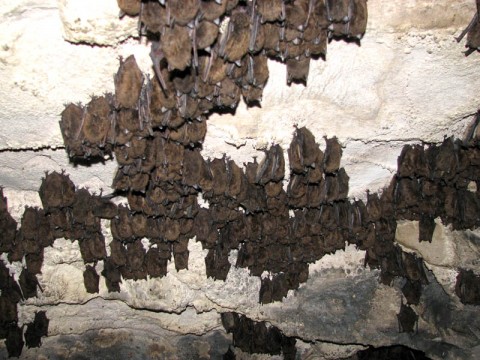
Bats

Bat Myths 
  • Bats are very dirty and spread rabies.
  • Bats swoop down and get tangled in peoples hair
  • Bats bite people's necks and suck their blood
  • Bat are ferocious and scary animals 
Picture
The Truth About Bats 
Benefits 
  • Bats are the only major predator of night flying insects, therefore they control the insect population that carries disease and destroys our crops and gardens. 
  • Bats can consume about 500 insects per hour ( that's about 3000 insects in a single night!).
  • Fruit-eating bats are important for dispersing seeds and pollinating tropical and sub-tropical trees and shrubs.
  • Bat droppings, called guano, are rich in nitrogen and can be used as fertilizers. 
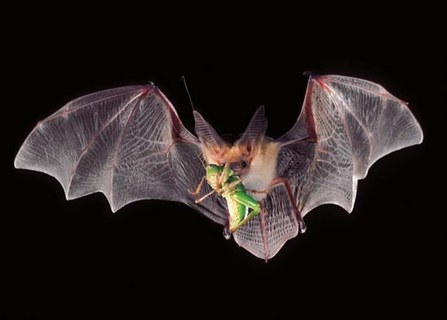
Echolocation: A Bat's Eyes and Ears
  • Bats use a sonar system called echolocation to maneuver around and locate their prey. They do this by opening their mouths and emitting high-pitched (ultrasonic) sound pulses. The sound waves bounce off of objects and back to the bats ears to tell them the size, shape, and location of nearby objects, including moving prey.
For more information on bat houses click the link below! 
Bat Houses
All information is credited to PPL Wallenpaupack Environmental Learning Center 

Location

About lacawac sanctuary

Lacawac Sanctuary Field Station and Environmental Education Center is an independent, non-profit, environmental education organization located on the shore of Lake Wallenp​aupack in the Northern Poconos.  We operate solely on program fees, memberships, sponsorships, grants and private donations from people like you

Contact Us

    Subscribe Today!

Submit
  • Home
  • About
    • Sources
    • Contact Us
  • Maurice Broun Trail
    • Fields & Meadows
    • Stone Walls
    • Gypsy Moth Caterpillars
    • Oak Trees >
      • White Oak
      • Red Oak
      • Black Oak
    • Raccoons
    • Owls
    • Snakes >
      • Snake ID
    • Bats >
      • Bat Houses
  • Lake Lacawac Trail
    • White Pine
    • Eastern Hemlock
    • Bog Plants >
      • Sphagnum Moss
      • Blueberry Bushes
      • Pickerelweed
    • Lake Lacawac
    • Glacial Bog
    • Diversity of Birds
    • Glacial Erratic Rock
    • American Black Bear >
      • Diet
      • Population
      • Reproduction
  • Big Lake Trail
    • Food Web
    • North American Beaver
    • Osprey
    • Watershed
    • Japanese Barberry >
      • Characteristics
      • Threat to Forest
      • Control Methods
    • Minerals & Rocks >
      • Minerals
      • Igneous Rocks
      • Sedimentary Rocks
      • Metamorphic Rocks
      • Identification
    • Sugar Maple
    • Streams
    • Hydroelectric Dam
    • Lake Wallenpaupack >
      • Electricity Generation
      • Recreation
      • Watershed Management
    • Wild Grapevines
    • Hayscented Fern
  • Carriage-Lakefront Trails
    • Phytoplankton
    • Harmful Algal Blooms
    • Riparian Zones
    • Bioindicators
    • Lake Macroinvertebrates
    • Lake Succession >
      • Oligotrophic Lake
      • Mesotrophic Lake
      • Eutrophic Lake
    • Lake Formation
    • Amphibians
    • Native Fish
    • Lake Research
    • Aquatic Plants
    • Zooplankton
    • Stratification
    • Lake Hydrology
    • Lake Chemistry
    • Monitoring for Preservation
    • Local Research with Global Implications
  • Historic Great Camp Trail
    • Connell Park
    • Sustainable Forestry
    • Hemlock Woolly Adelgid
    • Early Years
    • Field Station
  • Ledges Trail
    • Deer Exclosures
    • Geological Faults >
      • Normal Fault
      • Reverse Fault
      • Strike-slip Fault
    • Wild Orchids
    • Ledges
    • Ferns
    • Mosses & Lichen
    • Vernal Pools
    • Mushrooms
  • Watres Trail
    • Edge Effect
    • Hummocks and Hollows
  • Visitors Center
    • Native Plant Garden >
      • Golden Alexander
      • Black-Eyed Susan
      • Striped Cream Violet
      • Scarlet Beebalm
      • Blazing Star
      • Blue Moon
      • Blue Flag Iris
      • Tickseed
      • Coneflower
      • Butterfly Weed
      • Jerusalem Artichoke
      • Monkshood
      • Joe-Pye Weed
      • Mayapple
      • Blue Wood Sedge
      • Little Blue Stem
    • Bees
    • Weather Station
  • Partner Ridge Trail
  • Warbler Trail